The legacy of the aggressive campaign of italianisation led by the Fascist regime, the city of Bozen, capital of the South Tyrol region, features many examples of ‘difficult heritage’. They include several references to Italian colonial history, especially to Libya and Ethiopia. In Mussolini's Nation-Empire: Sovereignty and Settlement in Italy's Borderlands, 1922-1943 (2017) historian Roberta Pergher argues that South Tyrol is closely connected to Libya through a specific model of settler colonialism, named penetrazione pacifica (pacific penetration). Developed by the Italians during the occupation of Libya (started in 1911), it was then implemented in South Tyrol after the area was annexed to Italy in 1920. Linking internal and external colonialism, Pergher’s work provides a helpful framework to analyse the way Italianness has been enforced and built by the Fascist regime in South Tyrol as well as how whiteness was asserted in Libya.
-
 © Alessandra Ferrini
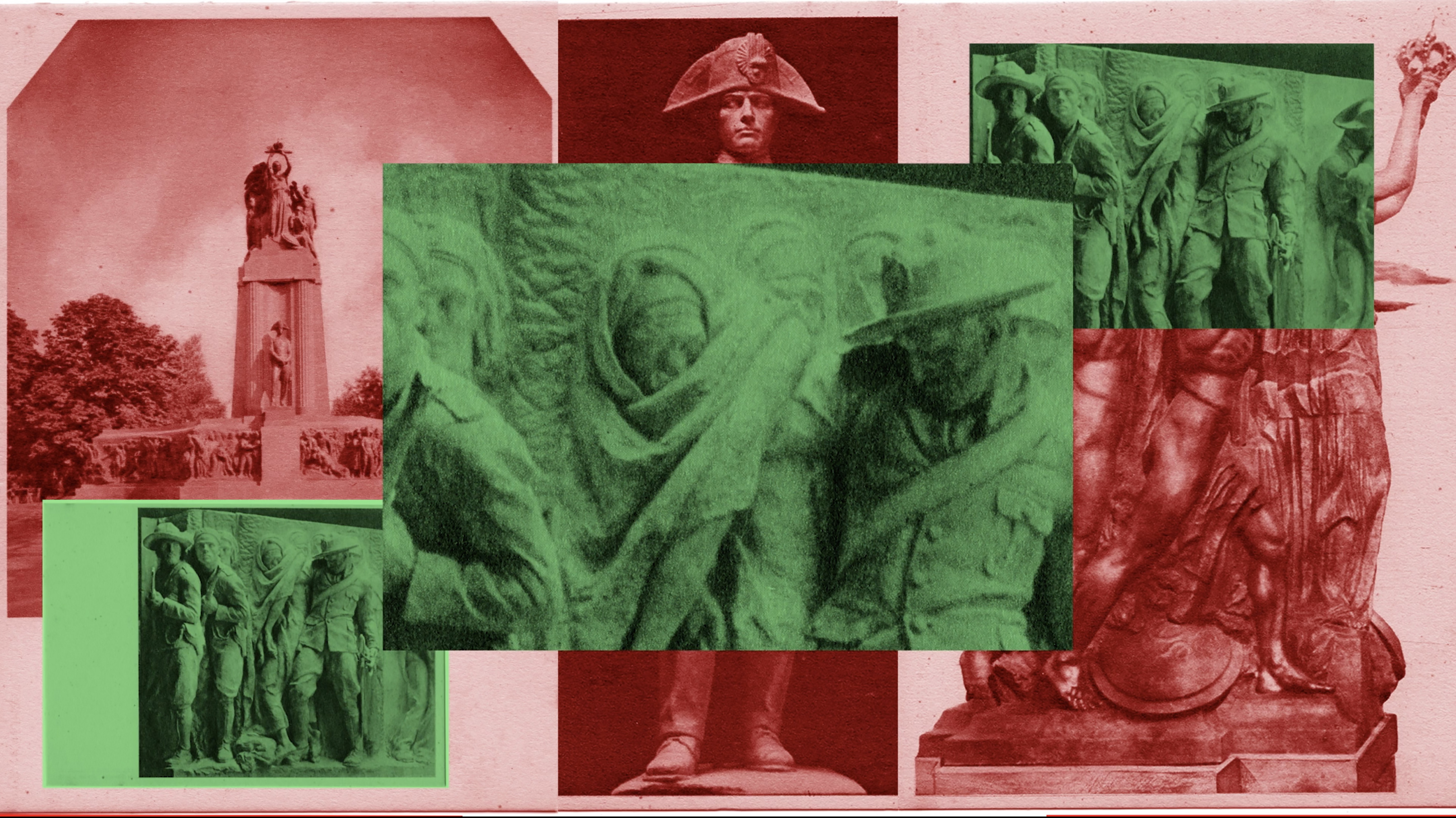
The project takes as its starting point the monumental bas-relief realised by the sculptor Hans Piffrader (Klausen-Chiusa 1888 - Bolzano-Bozen 1950) for the facade of Bozen’s former Fascist Party headquarter. Realised between 1939 and 1942, it celebrates the major achievements of the regime, including the Empire. At the centre, it features a large portrayal of Mussolini on horseback, a recurrent theme in Fascist iconography, also found in some key public artworks in Tripoli. This specific representation is believed, by some, to be a reference to the episode of ‘Mussolini and the Sword of Islam’, that took place in 1937 in Libya - an event that was entirely fabricated by the regime to gain consensus in Libya after the brutalities perpetrated during the repression of the anticolonial resistance (1922-1932), the so-called ‘pacification of Libya’. Forged in Florence, the sword disappeared during World War 2 and this ceremony is mostly remembered, today, because of the manipulation reserved to its iconic photographic documentation. By removing the Libyan attendant that held Mussolini’s horse still, the picture falsely portrays Mussolini alone, on a horseback, pointing the sword to the sky while projecting an image of absolute power. This preliminary set of relations, will be part of a diagram/wall piece featured in the exhibition space, as a backdrop to the main body of work.
-
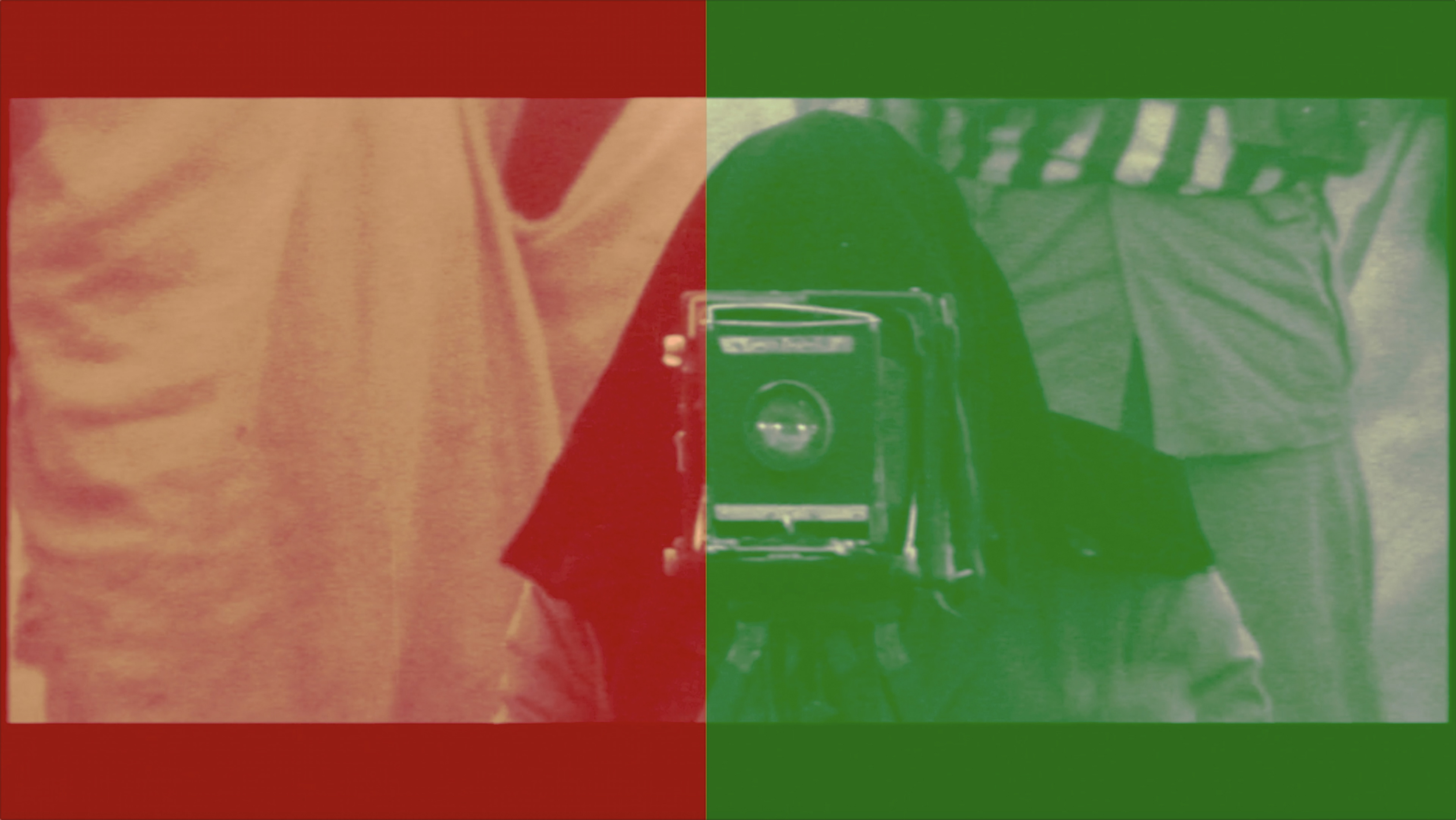 © Alessandra Ferrini
Overall, the project aims to scrutinise the notion of ‘pacification’ and to highlight how connections between imperial peripheries have contributed, in indirect and often invisible ways, to the construction and sustenance of European imperialism. Defined as ‘untidy connections’ by postcolonial anthropologists Ann Laura Stoler and Carole McGranahan, such points of contact with - and between - the margins, can show ambiguities and contradictions, making complexities, elements of return, and enduring legacies visible. This notion, framing and naming the project, serves as a methodological compass: layering several documents, marginal narratives and outputs, to present a constellation of ‘untidily connected’ relations.
The core of the exhibition Unruly Connections interweaves the stories of different individuals that have attempted to oppose censorship around the 'iconographic silence' (Alessandro Volterra) imposed by Rodolfo Graziani towards the repression of the anti-colonial resistance in Libya at the end of the 1920s (the pacification of Libya). It is in this offensive that Italy, for the first time, used banned mustard gases and committed genocide within its colonial possessions. This work constitutes a new chapter in my research on the strategies of obfuscation and distancing from the Italian colonial past in Libya (see my previous work ‘Sight Unseen’ 2019), but also in the experimentation with the translation, hybridization and expansion of the documentary medium within the exhibition space.
-
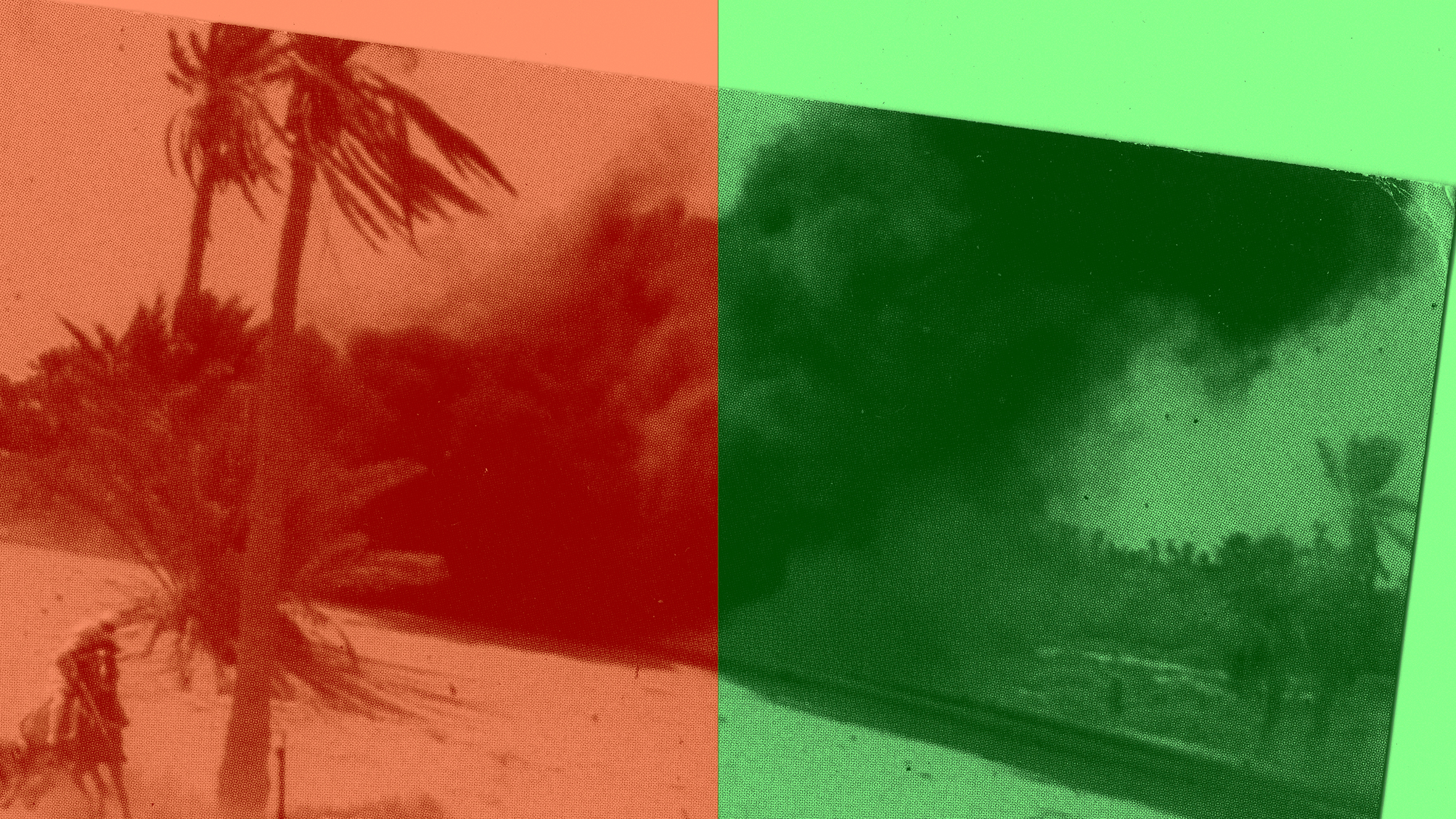 © Alessandra Ferrini
Unruly Connections presents three attempts to circumvent this censorship, focusing on the stories of their authors, and intersecting different voices, positions, and strategies, rich in complexity and contradictions. Reflecting on the internal mobility of the Italian colonial empire, as well as between Europe and North Africa, the goal is to reveal the imperialist roots of Italy as a nation-state, to counteract narratives of self-absolution and distancing from colonial violence.
Knud Holmboe, a journalist of Danish origins who converted to the Sufi religion, arrived in Libya in 1930, where he joined the anticolonial resistance in Cyrenaica. A year later, he published his diary and a series of photographs documenting the sheer violence enforced by the Italian Fascist army on the Libyans, with the title of Desert Encounters (censored in Italy, then translated in 2005). In the same year, while embarking on a pilgrimage to Mecca, he was killed in Jordan, near the border with Saudi Arabia – supposedly on Italian orders. The analysis of these materials will be combined with the search for documents relating to his murder, following the instructions I received via email and Twitter in August 2020 from a mysterious historian/journalist. After asking for my help in the quest to prove that Saudi Arabia organized the execution at the request of the Italian government, this mystery person disappeared without a trace. Looking to shed light on this messenger’s theory, I will consult the archival materials, held at the National Archives in London, that this mystery person detailed in our correspondence, while at the same time attempting to trace him/her.
-
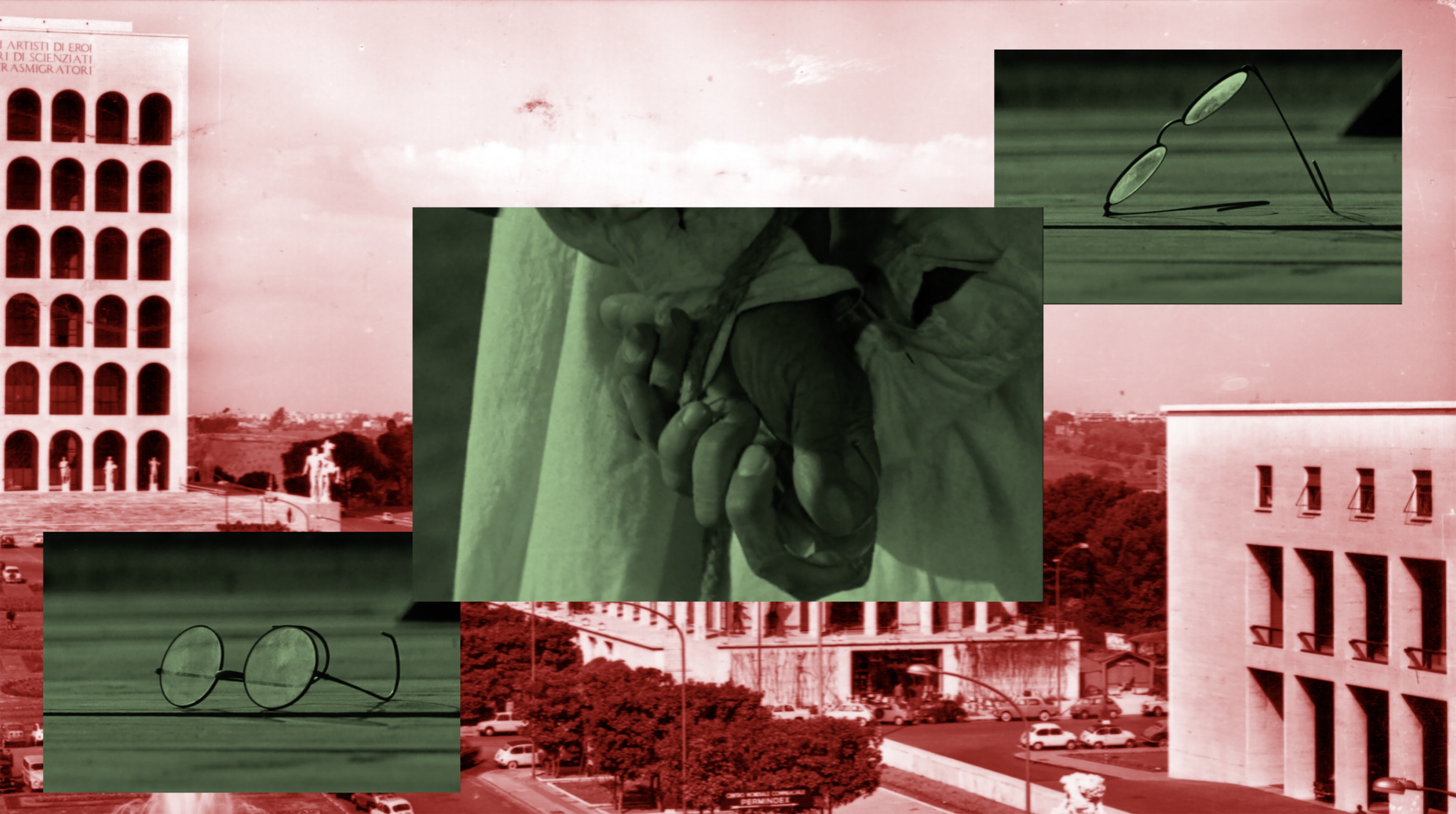 © Alessandra Ferrini
Leda Rafanelli, writer, journalist, anarchist political activist, was born in Pistoia (Italy) in 1880. Driven by her North African family roots, in 1900 she moved briefly to Alexandria, where she sympathized with the Italian anarchist community and converted to the Islamic religion. Identifying herself as an 'anarchist Muslim', her writings, which express great attention and solidarity for oppressed subjects, move between anarchist propaganda, feminism, romantic novels and the Islamic religion, with great complexity. Despite the close surveillance that she was subject to during the Fascist regime, in 1929 she published the romantic novel The Oasis. An Arab Novel in which the violent repression of the Libyan resistance by the Fascist armed forces provides the backdrop to a passionate love story. Romantic literature is therefore used by Leda Rafanelli to conceal a subvertive, political operation. At the same time, her personal story also opens up reflections on the condition of women in Italy at the beginning of the twentieth century, the internationalism of the anarchist movements and the importance of the relations with the numerous Italian communities abroad (which were also called 'colonies').
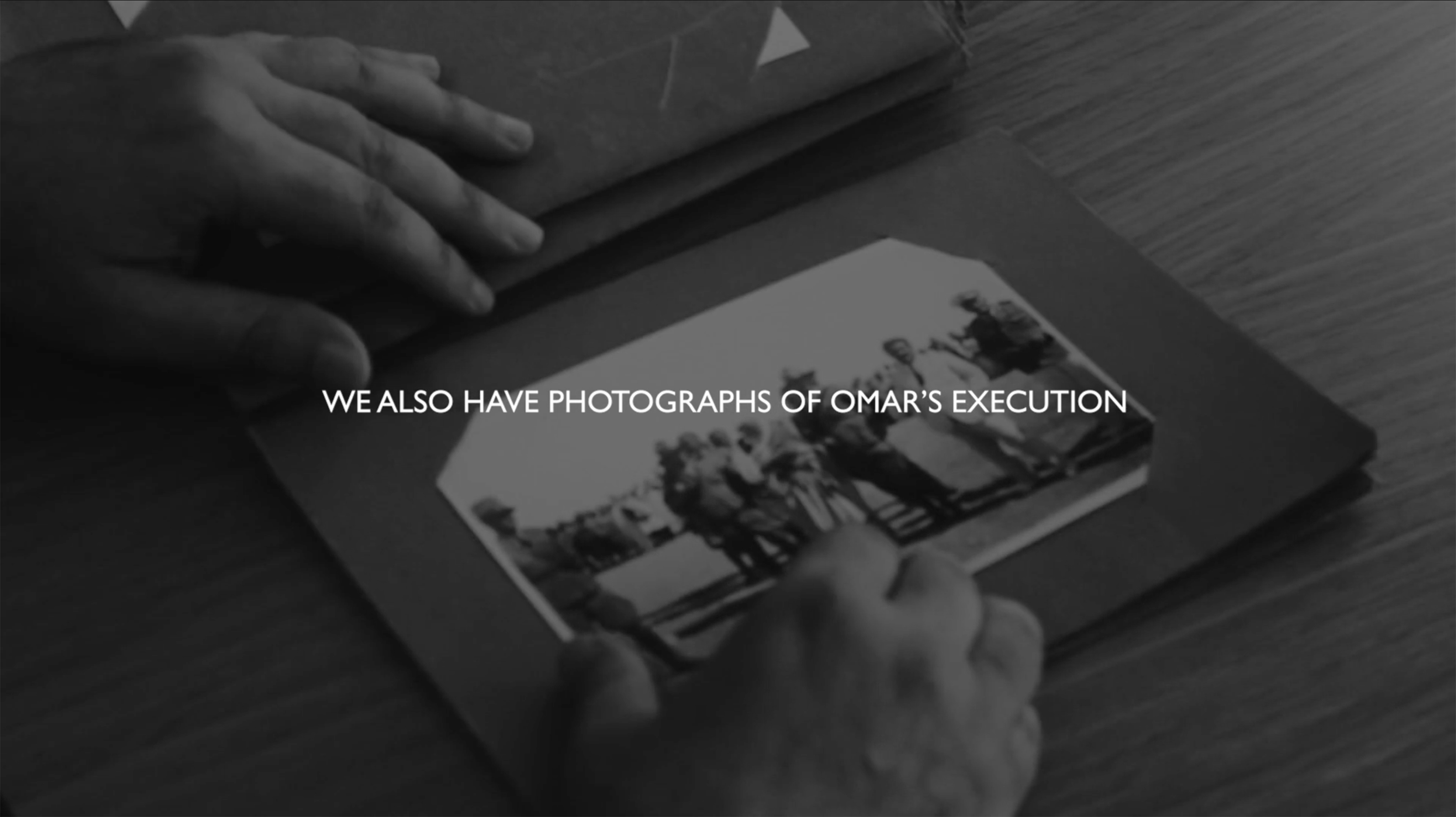
Finally, Gebreyesus Hailu’s The Conscript, written in 1927 in Tigrinya, offers a crude insight into the internal relations of the Italian empire, its various ramifications and tragic consequences on colonized subjects. Passed down only orally due to Italian censorship and then published in 1953, after the end of the occupation, it is the first novel in the literary history of Eritrea, and one of the first novels written in an African language. The book describes, "with controlled irony and anger" (Ghirmai Negash), the experiences of Eritrean askari, soldiers enlisted by the Italian colonial army to fight in Libya against the resistance. With its crude criticism of the colonial system, The Conscript is a precursor of anti-colonial and decolonial literature, although unfortunately the work remains little known, as it was only translated into English in 2013. Still unpublished in Italy, the exhibition will display a translation from Tigrinya to Italian by Dr Uoldelul Chelati Dirar, who will contribute a reflection on the process of translation. Each of the four chapters composing the book will be released progressively throughout the exhibition. Each release will be accompanied by a reading session in which it will be put in relation with a series of books and other documentary materials present in the space – which span from research on the genocide in Libya, to the notion of ‘pacific penetration’ and the links with the local context of South Tyrol. Finally, a sound piece will activate all these materials within the space.
-
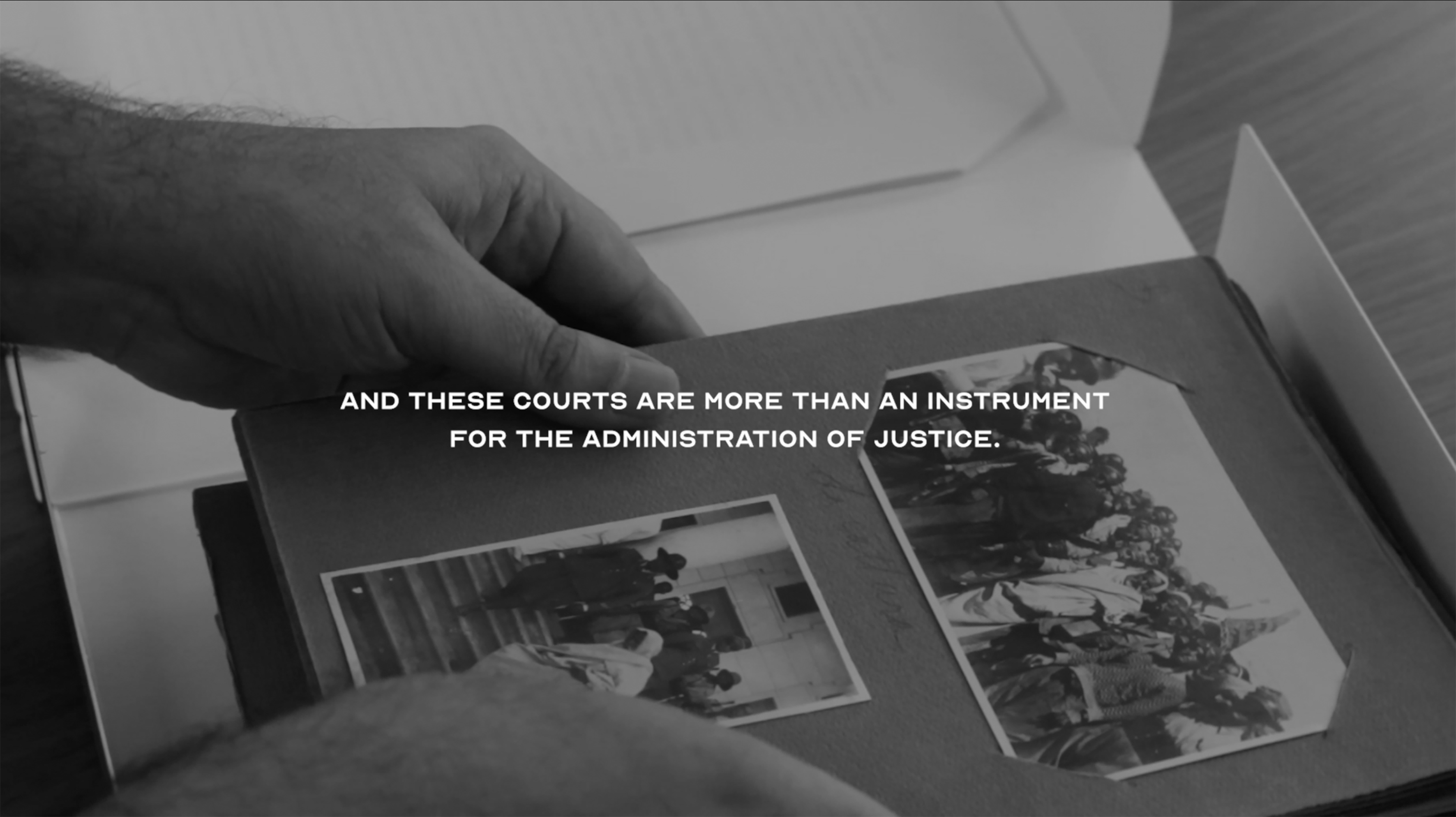 © Alessandra Ferrini
-
 © Alessandra Ferrini
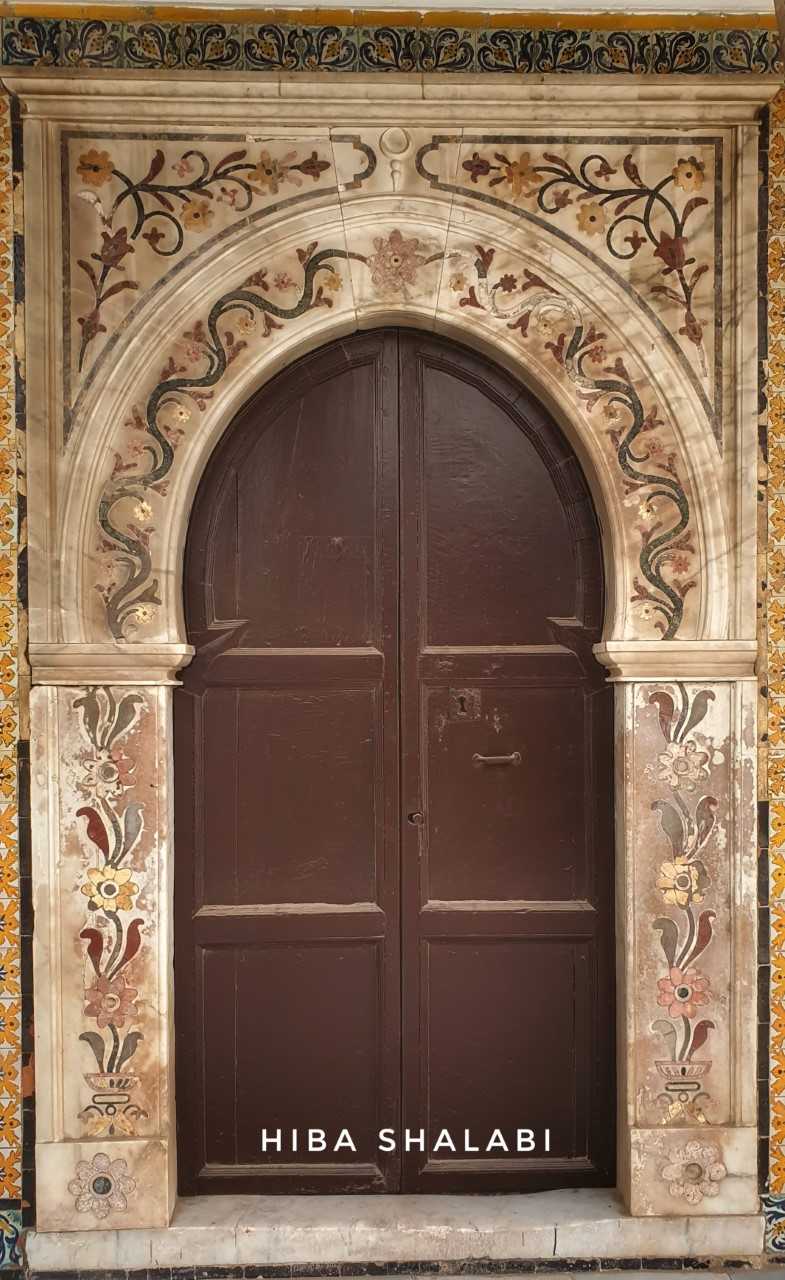
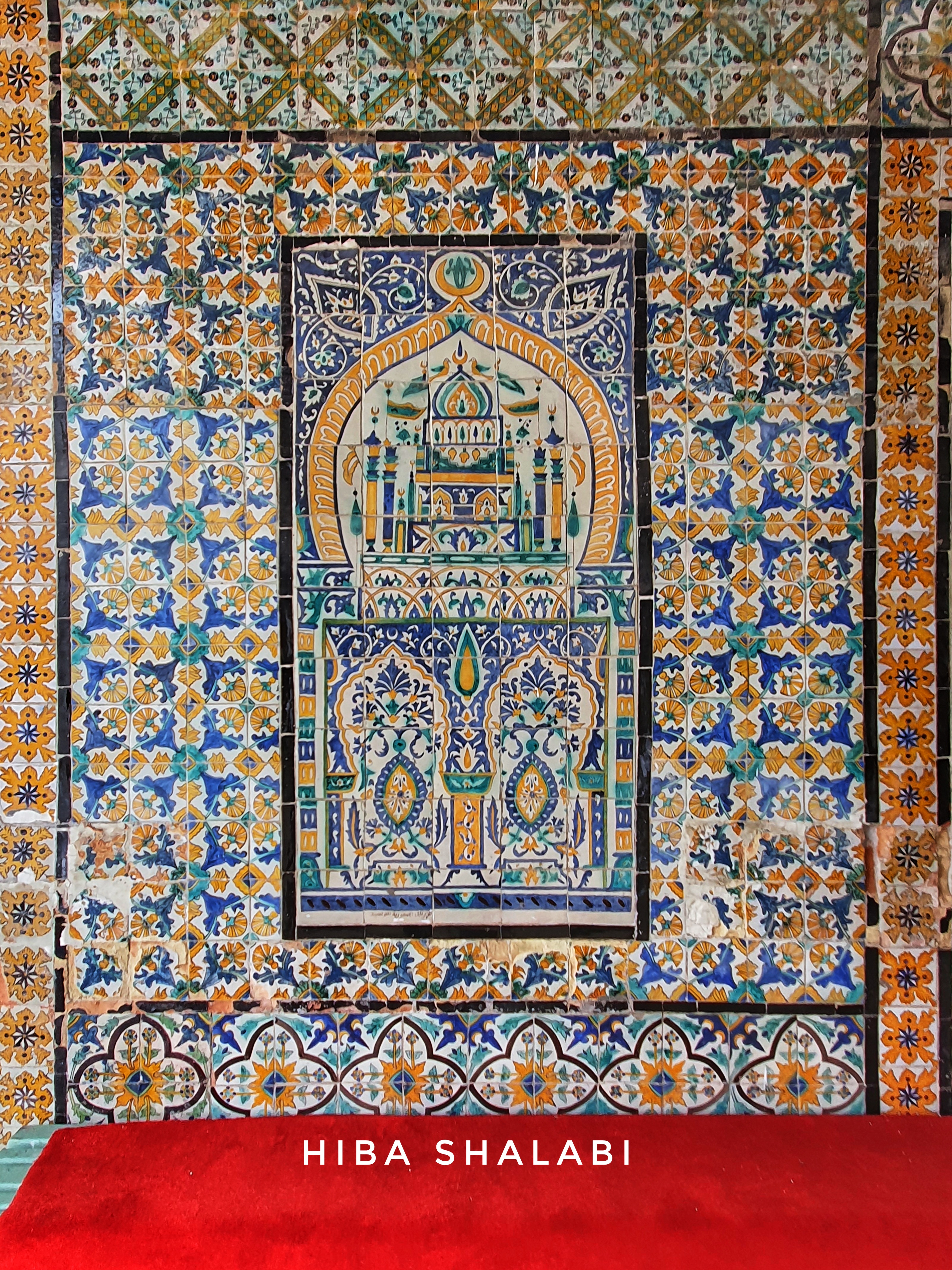
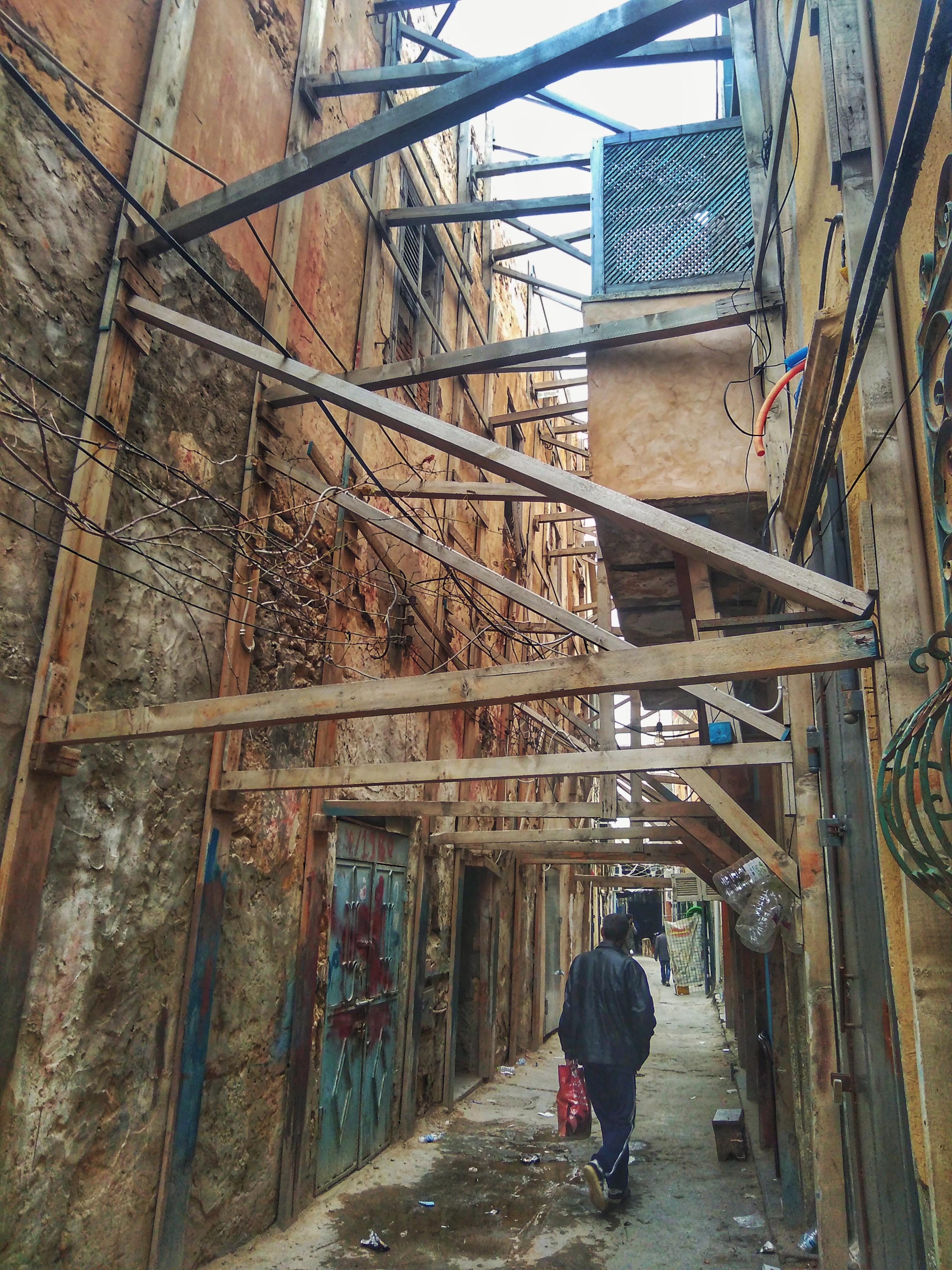
The campaign #SavetheOldCityofTripoly aims at the restoration of the Old City of Tripoli and at the preservation of Libyan cultural heritage. This talk will address some of the challenges in achieving this aim. It will focus on historical monuments and landmarks in and beyond the city, and on collections of old photographs of some of the buildings and urban fabric, as well as new photographic campaigns.
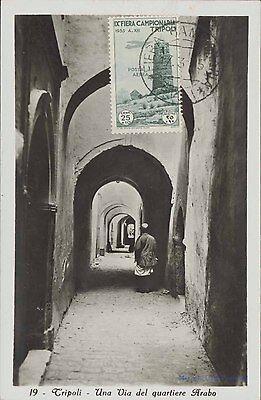
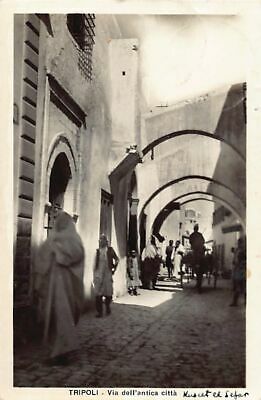
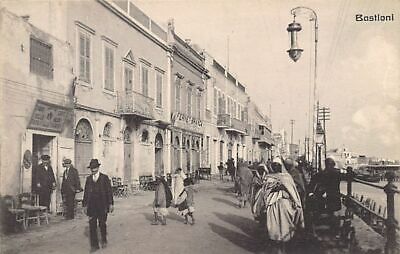
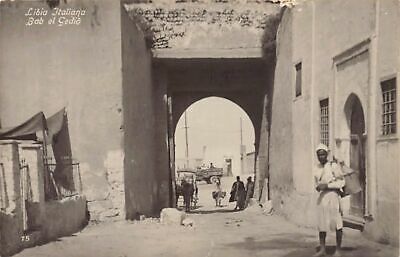
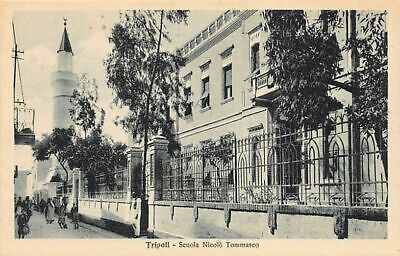
The paper will explore issues related to research, documentation, writing and image production with regard to the Old City of Tripoli. It will shed new light on heritage sites related to the history of the Jewish community in the city. The talk will describe activities undertaken in Tripoli such as educational and social awareness walking tours. It will examine the role of craftsmen, and ways how to support and encourage them to continue practicing their professions. The paper will deal with public history initiatives and with the role of the digital for achieving these aims, the role of blogs and social media.